Less than 1% of home decor items truly transform a room’s atmosphere - yet a single piece of finely cut crystal can do exactly that. It’s not about size or statement; it’s about how light bends, dances, and settles across surfaces. In French interiors, this principle isn’t decorative flair - it’s heritage. For over four centuries, master glassmakers have treated light as a material, shaping crystal to amplify it. Today, that tradition lives on in vases that are less vessels, more focal points. This is how luxury crystal redefines space - not by filling it, but by illuminating it.
The Mastery of Light Through Finely Cut Crystal
Crystal doesn’t just reflect light - it fractures it. The difference lies in the precision of the cut. Each facet is hand-carved by artisans trained in techniques passed down for generations, creating a three-dimensional map that guides light through the material. Unlike machine-made glass, which produces flat, uniform surfaces, hand-cut crystal introduces subtle variations that enhance refraction. This is why a Saint Louis vase seems to glow from within when sunlight hits it at just the right angle. The play of shadows and highlights shifts throughout the day, turning a static object into a dynamic element of your interior.
Handmade Excellence and Intricate Patterns
The journey of a crystal vase begins with molten glass, shaped by breath and hand. Mouth-blown crystal ensures each piece has a unique density and balance, impossible to replicate at scale. Once cooled, master cutters spend hours engraving geometric or organic patterns - some inspired by nature, others by architectural motifs. These aren’t superficial etchings; they penetrate deep into the material, maximizing light refraction and creating what connoisseurs call “fire” - the sparkles that scatter like tiny rainbows. This level of detail is the hallmark of ancestral craftsmanship, where time is invested not for efficiency, but for beauty. For those seeking to discover exceptional pieces that embody this level of craftsmanship, more information is available at www.saint-louis.com/en_us/decoration/vases.html.
Choosing Vibrant Colored Vases for Contrast
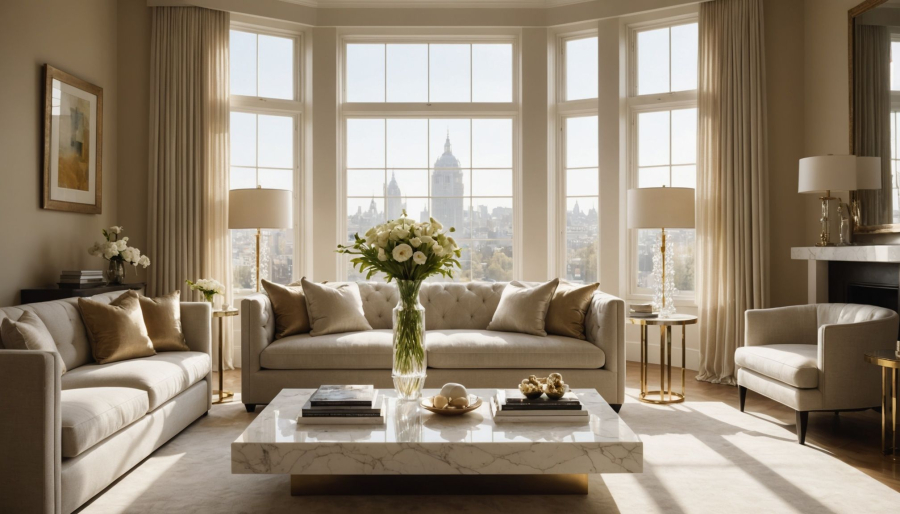
Color in crystal isn’t applied - it’s fused. Many luxury pieces use a double-layer technique: a core of deep hue encased in clear crystal. This allows light to travel through both layers, intensifying the richness of tones like emerald green, sapphire blue, or ruby red. These vases don’t just hold flowers - they transform them. A simple bouquet of white lilies gains warmth when placed in a golden-amber vase, while purple irises deepen against a backdrop of smoky quartz. The effect is subtle but powerful, adding depth to a room without overwhelming it. When placed near a window, colored crystal can cast soft, tinted reflections on nearby walls - a quiet luxury that changes with the daylight.
Selecting the Right Crystal Vase for Every Room
Not all vases belong everywhere. The key is matching presence to purpose. A delicate soliflore may get lost on a grand dining table, while an oversized centerpiece can dominate a narrow hallway. Scale, shape, and function must align with the room’s rhythm. A bedroom calls for intimacy; a living room, for presence. Even the type of arrangement matters - some vases support single stems, others thrive with lush bouquets.
Proportions and Centerpiece Vase Designs
A dining table demands balance. As a rule, the vase should rise no higher than eye level when seated - typically 25 to 35 cm. Wider tables suit broader bases, while long, narrow consoles call for vertical lines. In entryways, height draws the eye upward, creating a sense of arrival. Bedrooms benefit from smaller, rounded forms that feel gentle rather than imposing. The goal isn’t symmetry, but harmony - a vase that feels like it belongs, not one that shouts for attention.
Maintenance for Timeless Floral Arrangements
Crystal is durable, but not indestructible. Hard water and improper cleaning can leave residues that dull its brilliance. Always hand-wash with lukewarm water and a mild detergent, using a soft sponge. Avoid sudden temperature changes - never pour boiling water into a cold vase. For dried mineral deposits, a vinegar-water mix (1:1) gently restores clarity. Dry with a lint-free cloth to prevent streaks. With care, a crystal vase retains its sparkle for generations - not just an object, but a legacy.
| Vase Shape | Ideal Placement | Recommended Flowers |
|---|---|---|
| Soliflore (narrow neck) | Bedside table, desk, vanity | Single stem: orchid, tulip, calla lily |
| Wide-mouth bowl | Dining table, coffee table | Loose arrangements: peonies, roses, hydrangeas |
| Tall cylindrical | Entry hall, corner, mantelpiece | Long stems: gladioli, lilies, branches |
| Short geometric | Shelf, sideboard, bathroom | Small blooms: ranunculus, anemones, sprigs of greenery |
Creative Ways to Style Decorative Crystal Vases
Flowers aren’t the only way to showcase crystal. In fact, some of the most striking displays are entirely botanical-free. The material itself is the statement - a sculpture in its own right. The secret is context: pairing it with contrasting textures and intentional placement to amplify its qualities.
Layering with Luxury Home Decor
Grouping vases creates rhythm. Try three pieces in graduated heights - short, medium, tall - arranged on a tray or shelf. Mix finishes: one clear, one smoked, one colored. The variation catches the eye without chaos. Pair them with materials that ground the sparkle - a walnut tray, a linen runner, a brass candle holder. The contrast enhances each element, letting the crystal shine without dominating. It’s about balance, not competition.
Beyond Flowers: Unique Artistic Uses
Empty vases can be more powerful than full ones. Fill a tall cylinder with polished river stones or dried lotus pods for texture. Use a wide bowl to display seashells or vintage perfume bottles. In winter, place pinecones or birch branches inside; in summer, floating candles or citrus slices. These arrangements shift the focus from seasonal blooms to year-round artistry. A crystal vase doesn’t need flowers to feel alive - it just needs intention.
Lighting and Reflection Strategies
Position is everything. A vase in a dim corner wastes its potential. Place it where natural light hits in the morning or late afternoon. Near a lamp, it can cast prismatic patterns across the ceiling at night. Mirrors amplify the effect - try placing a vase in front of one to double its presence. Even artificial light works: LED spots with a warm tone enhance color depth without overheating the crystal. The goal is to make light a collaborator, not just a source.
Key Characteristics of Authentic Handmade Crystal
Not all “crystal” is created equal. True luxury crystal contains minerals like lead oxide, which increases density, clarity, and refractive index. But beyond composition, authenticity reveals itself in sensory details - weight, sound, and finish. These are the markers that separate mass-produced glass from heirloom-quality pieces.
The Resonance and Weight of Quality
Hold a genuine crystal vase - it feels substantial, almost cool to the touch, even at room temperature. Tap it gently with a fingernail: a clear, sustained ring indicates high purity and precise structure. Glass, by contrast, produces a dull thud. This resonance is a signature of quality, a subtle confirmation of craftsmanship. The weight isn’t just physical - it conveys permanence, a sense that this object was made to last.
Custom Engraved Vases as Heritage Pieces
Personalization elevates a vase from decor to legacy. Many workshops offer hand-engraved initials, dates, or motifs - not stamped, but carved into the surface. These details make the piece uniquely yours, transforming it into a modern heritage object. Passed down through generations, it becomes a vessel of memory, not just flowers. The engraving itself, when done by hand, follows the curve of the glass, feeling organic rather than imposed.
- Clarity of the material - No cloudiness, bubbles, or streaks visible under light
- Precision of hand-cut edges - Facets align perfectly, with sharp, clean lines
- Presence of the artisan’s signature or brand seal - Often etched discreetly on the base
- Weight density - Heavier than standard glass due to mineral content
Balancing Tradition and Modern Elegance
Some assume crystal belongs only in opulent, traditional spaces. The opposite is true. In minimalist interiors, a single cut vase becomes a focal point, a point of warmth in an otherwise restrained palette. Its craftsmanship contrasts beautifully with clean lines and neutral tones, acting as a bridge between eras. A modern room doesn’t dilute the crystal’s presence - it highlights it.
Integrating Crystal in Contemporary Interiors
Try placing a deep green vase on a concrete coffee table, or a clear geometric piece on a black lacquer console. The contrast creates tension - not clash, but dialogue. In Scandinavian-style rooms, crystal adds a touch of opulence without sacrificing simplicity. The key is restraint: one or two pieces, perfectly placed. Too many, and the effect becomes cluttered. One, well-chosen, and it becomes the soul of the room.
Sustainable Luxury and Local Production
True luxury isn’t just about beauty - it’s about responsibility. Workshops that preserve ancestral craftsmanship often produce locally, reducing environmental impact while sustaining rare skills. These pieces aren’t made in anonymous factories; they’re shaped by named artisans in historic regions. Buying such crystal supports a chain of human expertise, from the glassblower to the cutter to the packer. It’s consumption with conscience - elegance with ethics. And that, perhaps, is the quietest luxury of all.
Commonly asked questions
What is the typical price range for a hand-cut crystal vase?
Prices vary based on size, complexity of cut, and whether the piece is colored or engraved. Small, simple vases start around a few hundred dollars, while large, intricately cut or limited-edition designs can reach several thousand. The investment reflects the hours of skilled labor and material quality, making each vase a long-term piece rather than a disposable decor item.
How can I tell if a vase is real crystal or just glass?
Real crystal feels noticeably heavier than glass and produces a clear, ringing sound when tapped. It also cuts light more sharply, creating visible prisms in sunlight. Look for fine, deep cuts and a flawless finish - machine-made glass often has shallower, less precise facets. If the surface feels smooth but dull, it’s likely not high-quality crystal.
Does luxury crystal come with a certificate of authenticity?
Many high-end crystal houses provide a signature or seal etched into the base, serving as proof of origin. While not always accompanied by a paper certificate, the brand’s reputation and craftsmanship are the primary guarantees. Some limited editions or custom pieces may include documentation, especially if they’re intended as collectibles or heirlooms.
